Physiotherapy · St. Louis
Physiotherapy after a pain procedure: the injection opens the window, and the muscles still have to be retrained.
Physiotherapy at painstl.com is a physician-directed program of heat, traction, laser, shockwave, gentle electrical stimulation, testing and home exercise for spine and joint pain in St. Louis. It retrains the muscles that guard after a flare and measures whether you are actually moving better, so the relief from an injection or nerve procedure has something to hold on to.
Why does an interventional pain clinic run physiotherapy?
Because a procedure and a recovery are not the same event. An epidural, a radiofrequency ablation or a medial branch block can turn down the signal from the joint, disc or nerve that is driving your pain. What it cannot do is switch the muscles back on. Weeks or months of pain teach the small stabilizers around the spine and joints to go quiet, and the big muscles clamp down to cover for them. That pattern outlasts the pain that started it.
Two biological drivers keep it going: reflex muscle inhibition around a painful joint, and the low-grade metabolic inflammation that makes every tissue slower to heal. A third driver is how most of us live, sitting for hours and moving less every time something hurts. A treatment plan that ignores any of the three tends to send people back for the same injection on a shorter and shorter interval. We would rather use the quiet window the procedure gives you to rebuild the support underneath it.
What is the program called, and who runs it?
On paper it is the Physician-Directed Physiotherapy Program: Neuromuscular Modality Re-Education Protocol. In plain words:
- Physician-directed: one physician examines you, signs every order and oversees the care.
- Physiotherapy: treatment with heat and cold, movement, light, sound waves and gentle current to help tissue recover.
- Neuromuscular re-education: retraining nerve and muscle teams that quit working together after the injury.
- Modality: each individual machine or method.
- Protocol: one written plan, run identically at every visit.
The program runs under our medical director, Dr. Gurpreet Singh Padda, MD, MBA, MHP. Your exam, your orders and your re-checks all come from a physician. Trained technicians carry out the orders station by station, and no technician runs a machine solo until checked off on it. Our technicians are trained and checked off, but they are not physical therapists and do not use that title. Diagnosis, settings and any added treatment stay with your physician.
What happens from the first visit to the last?
- Sign in once. New patient forms are filled out one time, and your details are entered once, so nothing is copied wrong between visits.
- A physician examines you. A physician reviews your scans and past procedures, examines you, and orders the specific treatments, their settings, and any testing or equipment. Those orders are signed in your chart.
- Your first treatment visit. A brief questionnaire records how pain limits your day. You are taught your home exercises, and any brace or home TENS unit in your orders is fitted.
- Every visit after that. Before anything is switched on, we verify a physician is on site and immediately available, and the safety questions are asked out loud. After that, you work through the stations your orders list.
- Tests, when ordered. Nerve tests and Measura assessments are scheduled and checked at every visit until each one is done and read.
- Re-checks. On scheduled dates the questionnaire is repeated, a physician checks you over again, and the plan either becomes a home program or gets revised.
Visit counts are not preset. One or two visits are enough for some people. Complex spine and joint problems can take 60 visits or more, spread across several months. The count follows your exam and your scores, and the physician adjusts it as you improve.
What can be ordered at each station?
Which of these you get, and at what strength, is your physician’s decision. Any of them stops the moment you ask. Open a card for the sensation, the reasons to skip it, and the points to remember.
Heat and cold therapy
Cold settles a fresh flare. Heat loosens a guarded muscle so the rest of the visit can reach it. About 10 to 15 minutes.
Vibration therapy
On a gently vibrating platform, the small stabilizers of the spine and joints relearn to fire. About 10 minutes.
Your technician stays beside youTraction chair
A reclining chair runs a slow stretch along the spine, easing pressure and letting splinting muscles relax. About 15 minutes.
Neck decompression
A computer-controlled table gently pulls and releases the neck to ease pressure on discs and nerve roots. You hold the stop switch.
Laser therapy
Light from a handheld laser is absorbed by sore tissue to calm pain and swelling. Goggles on, door closed. About 10 minutes.
Your technician stays beside youShockwave therapy
Sound-wave pulses restart healing in a stalled tendon or a knotted muscle. Weekly at most, and only on order.
TENS (gentle electrical stimulation)
A mild tingle through sticky pads turns the pain signal down. It is usually the last, calming step. About 15 minutes.
On a day that uses every station, the sequence never changes: loosen, lengthen, treat the target, settle.
Which tests might your physician order?
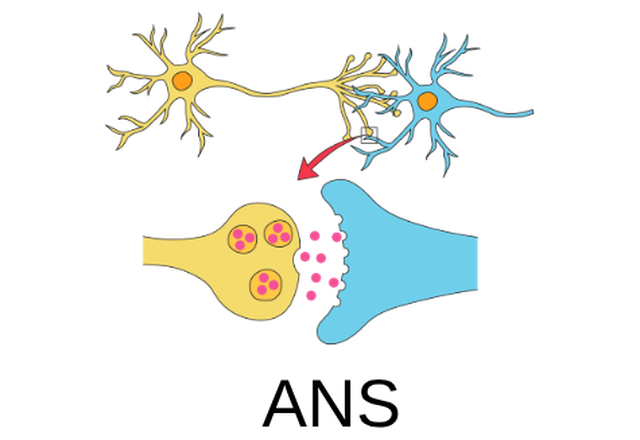
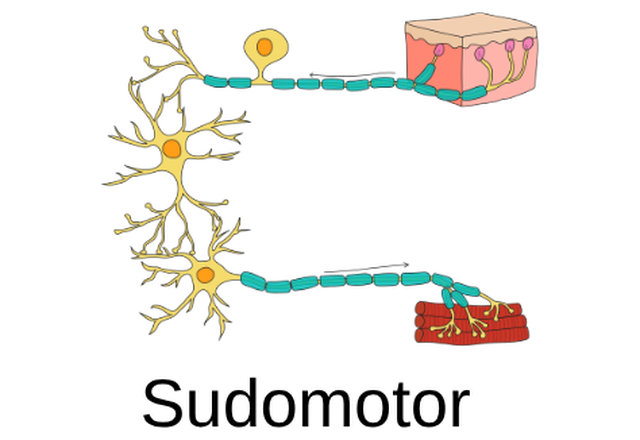
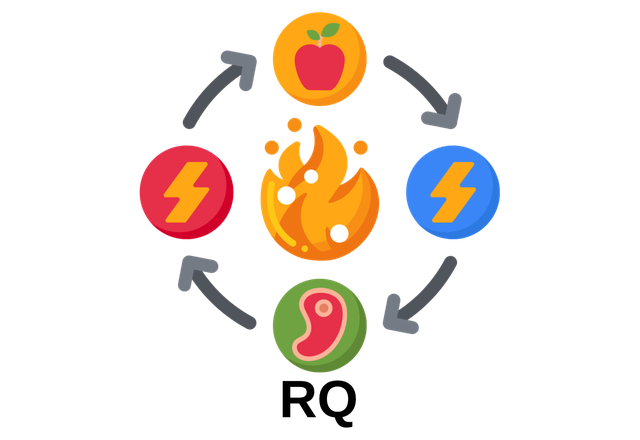
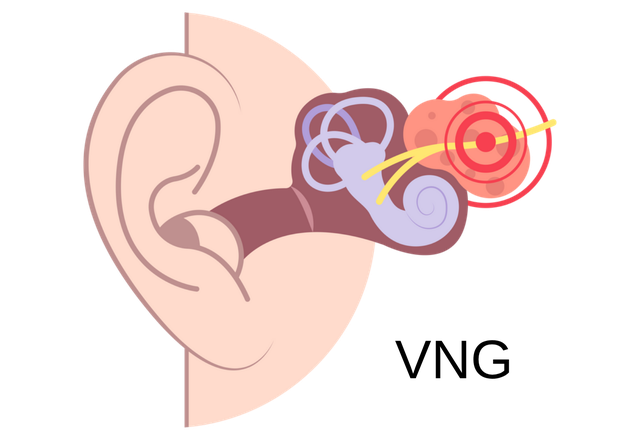
Some questions an exam cannot answer. When a test is ordered, we schedule it and track it visit by visit until the results are in. The nerve tests are performed and read by a physician. The others are  assessments covering circulation, heart rhythm, nerves, balance and metabolism.
EMG nerve test of the arm
Shows whether a nerve in the neck, elbow or wrist is pinched, and how badly. Done and read by a physician.
EMG nerve test of the leg
Separates a pinched nerve root in the back from a nerve problem lower in the leg. Done and read by a physician.
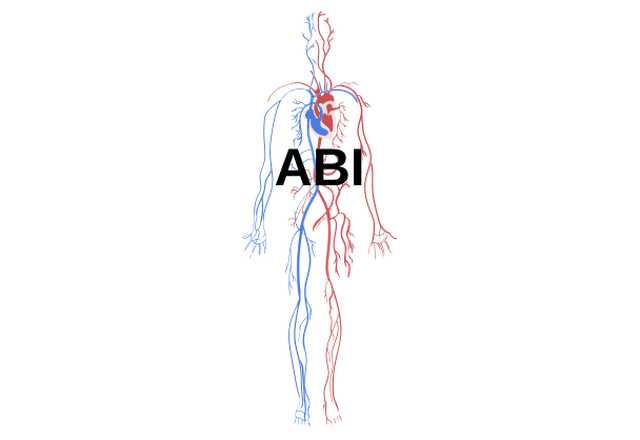
CMAT
Painless checks of blood flow, small nerves, heart rhythm balance and body composition, all in one visit.
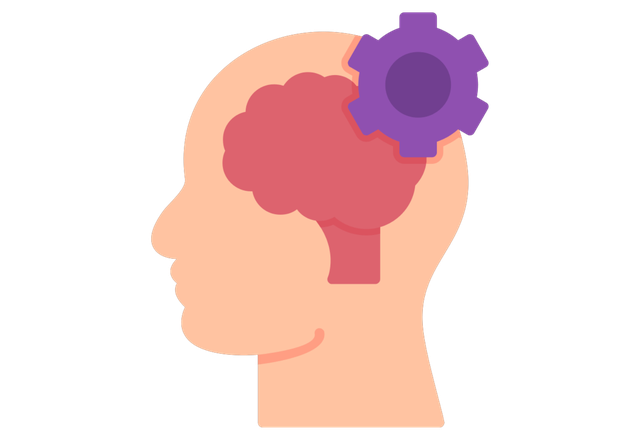
Cognivue
A 10-minute screen test of thinking speed, attention and memory following a crash or a blow to the head.
Why is food part of a pain plan?
Because the tissue a procedure treats lives inside the rest of your body. High blood sugar, belly fat and eating all day keep the whole system inflamed, and tissue that stays inflamed repairs slowly, hurts more and lets a good injection result fade sooner.
Diet and metabolic health coaching
A few minutes at every visit on what and when you eat. The written protocol comes at the first visit: a 10-minute walk after every meal, the end of seed oils and sugar, a 7-hour sleep floor, and an eating window that narrows over time.
Read more: what the first month of a low-carb diet for pain looks like.
Which exercises will you do at home?
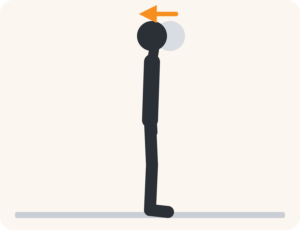
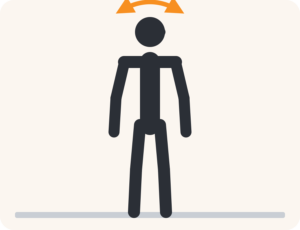
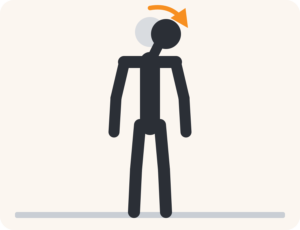
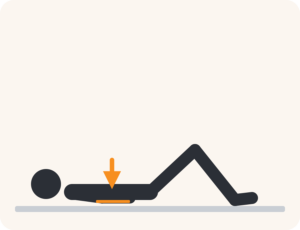
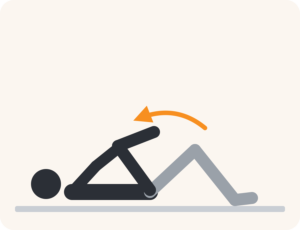
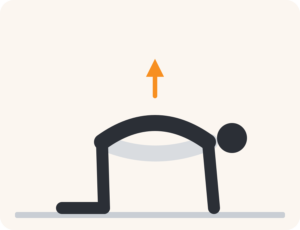
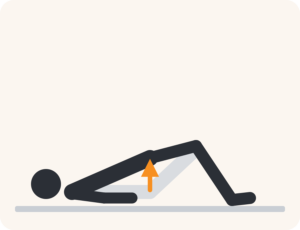
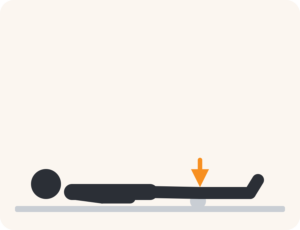
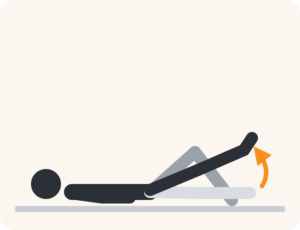
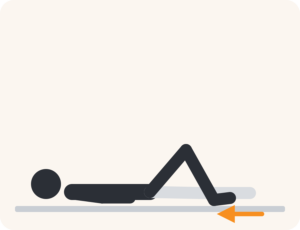
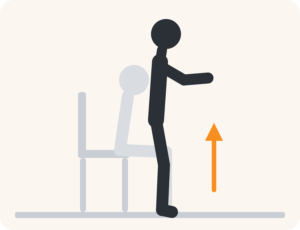
The machines get you started; the home work decides how long relief lasts. At the first visit you are taught the exercises your physician marked for your painful area, twice daily. Each one below opens a page showing a drawing, the setup, the usual errors and the warning signs.
Neck exercises
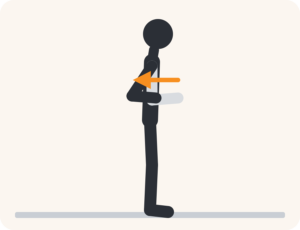
Low back exercises
Knee exercises
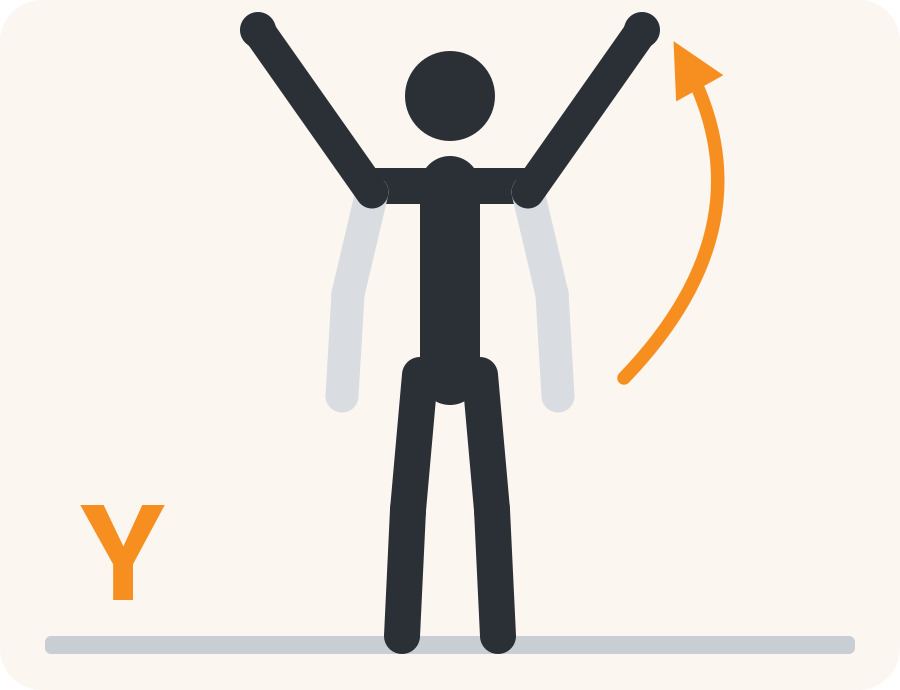
Shoulder exercises, including I, Y, T, A
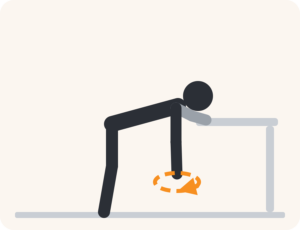
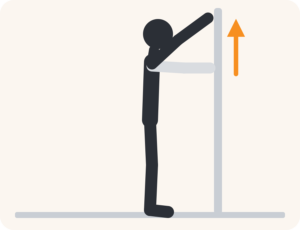
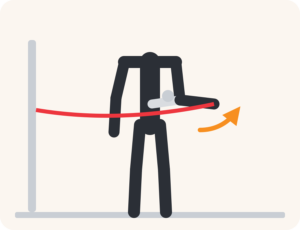
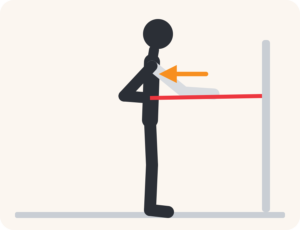
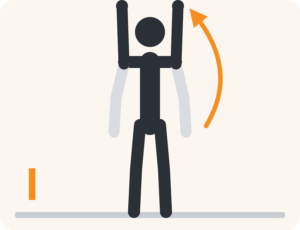
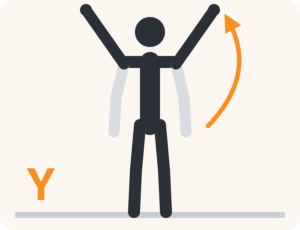
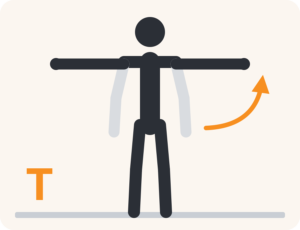
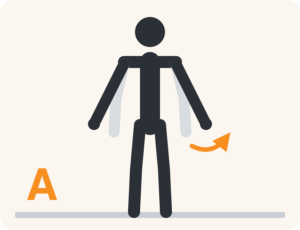
Your log comes to every visit. The technician tallies the sessions you marked and has you demonstrate one, so bad form is caught early.
What equipment might go home with you?
Ordered equipment is fitted on you in the clinic, demonstrated, and sent home with written instructions. Each item is signed for once, and the signature goes in your chart.
Home TENS unit
The clinic tingle in your pocket, for flares between visits wherever they hit.
Exercise bands
Color-coded resistance for the shoulder and upper back exercises.
Back brace
Backs up a healing lower back through sitting, standing and lifting.
Hinged knee brace
Steadies a hurt knee and caps how far it bends.
Wrist brace
Rests the wrist in a neutral position and eases night numbness.
How is progress measured?
Pain scores bounce around from day to day. What you can do is steadier, so that is what we measure. You complete a brief, validated questionnaire for each painful area at the start and again at every re-check, alone, so the answers are yours.
- Neck pain: the Neck Disability Index. More on arm pain that starts in the neck.
- Back pain: the Oswestry Disability Index. More on facet joint pain.
- Knee pain: the Lower Extremity Functional Scale. More on knee pain.
- Shoulder pain: the QuickDASH. More on shoulder pain.
Each scale comes with a published minimum change that counts as real. A score that has not crossed it gets a new plan and a written reason from your physician, so weeks are not spent on something that is not helping. Kinetisense adds numbers for how you move, and the Measura tests show whether the terrain underneath is improving.
What does a re-check decide?
The questionnaire is repeated and a physician examines you again. From there, one of two things happens. You graduate, taking your final scores and a home program. Or you continue, with the reason written down, the plan changed and the next re-check dated. Doing more of what has stopped working is not a reason to continue.
If a pain generator keeps firing despite good work, the answer may be another procedure rather than more physiotherapy, for example a genicular nerve block for the knee or PRP and orthobiologics for a worn joint. Read what we do when injections stop working.
Frequently asked questions
Is this program physical therapy?
No. Physical therapists are licensed clinicians who direct their own treatment. Here, a physician orders and oversees every step and trained technicians carry it out; they are never called physical therapists. See how interventional pain management differs.
Do I need a referral?
You do not. Phone (314) 886-5620 or schedule online. Your insurance plan may set its own rules, and an authorization is not a promise of payment. Here is how referrals work.
Do I need an injection before I start?
No. Some patients start the program on its own. For others, the physician recommends a procedure first, to calm the pain generator enough that the muscles can be retrained. Read what happens at the first visit.
How many visits will I need?
No set count. One or two visits settle some problems; others take 60 or more across several months, decided from your exam and your re-check scores. Bring your scans and medication list to the first one.
Does any of it hurt?
Expect warmth, a stretch or a tingle. Shockwave is the exception: it can feel harsh for a few seconds. Say the word and it stops. If you have a sudden, severe change, read when pain is an emergency.
Where is the physiotherapy program located?
At 4479 Woodson Rd, Suite 401, St. Louis, MO 63134, next to St. Louis Lambert International Airport, off I-70 at Woodson Road. Call (314) 886-5620 or text (314) 886-5902, weekdays from 8 a.m. to 5 p.m. For directions, see our contact page.
Bring the scans. We will build the plan around what your procedure made possible.
A physician examines you first, then writes the orders. Every visit is recorded the same way, and progress is measured, not guessed.
4479 Woodson Rd, Suite 401
St. Louis, MO 63134
Next to St. Louis Lambert International Airport, off I-70 at Woodson Road.
Sources
- Vernon H, Mior S. The Neck Disability Index: a study of reliability and validity. Journal of Manipulative and Physiological Therapeutics, 1991. PubMed 1834753
- Fairbank JC, Pynsent PB. The Oswestry Disability Index. Spine, 2000. PubMed 11074683
- Binkley JM et al. The Lower Extremity Functional Scale (LEFS): scale development, measurement properties, and clinical application. Physical Therapy, 1999. PubMed 10201543
- Beaton DE et al. Development of the QuickDASH: comparison of three item-reduction approaches. Journal of Bone and Joint Surgery, 2005. PubMed 15866967