Low-carb diet for pain · St. Louis
A low-carb diet for pain: the first month is a medical event, not a meal plan
A low-carb diet can help with pain when high insulin and inflammation keep the pain going, and in our clinic that is most patients. The 2026 guideline from the Society of Metabolic Health Practitioners now lays out how to start safely: what to eat, what the first weeks feel like, and which medicines your doctor must adjust first.
Here is the part nobody tells you. A lot of people quit low-carb on day three. They get a headache, a leg cramp and a dizzy spell, and they decide the diet made their pain worse. It did not. They ran out of salt.
Why would a diet change pain?
Dr. Padda’s position is that roughly 93% of chronic pain involves metabolic dysfunction. The pain shows up in a back, a knee or a nerve. The fuel for it often comes from the bloodstream.
Two drivers do most of the work. The first is high insulin. When insulin stays high all day, your body cannot reach its stored fat, and fat tissue keeps sending out inflammatory signals. The second is that inflammation itself. Inflamed tissue turns up the volume on pain nerves, so a joint that should ache a little hurts a lot.
The guideline lists what cutting carbs does to that chain. It lowers high insulin. It reduces visceral fat and inflammation. Among its emerging uses, it lists blocking the NLRP3 inflammasome, a switch inside immune cells that drives inflammation. It also cuts appetite and cravings.
The third driver is the one you did not choose. The cheapest calories in any grocery store are refined grains, sugar and industrial seed oils. A food system built on them hands you a pain problem along with the receipt. The guideline notes that a whole-food low-carb diet costs about the same as a standard diet. It has been used in low-income communities.
Dr. Padda learned this late. For years he told patients with prediabetes that their A1C was “not too bad.” He was wrong, because A1C rises last. He now checks fasting insulin first. In his clinic, a fasting insulin above 10 µIU/mL is high risk, even when the A1C looks fine. More on those labs is on our page about metabolic health and pain.
What happens in the first three days?
When carbs drop, insulin drops. Lower insulin tells your kidneys to let go of sodium and water. That shift is fast, and it explains almost every early symptom.
It also changes how your medicines act. The guideline says the first two to three days carry the greatest risk of severe low blood sugar for people on insulin. It advises cutting insulin doses on day one. It lists sulfonylureas as drugs to stop right away. Blood pressure can fall too, because you are losing salt and water. These are your doctor’s moves, made before you start. Medication changes are made by the doctor, especially insulin, sulfonylureas, SGLT2 inhibitors and blood pressure pills. Never change a dose on your own.
The guideline asks for two home checks: blood pressure every day and, if you have diabetes, blood sugar every day. Write them down. Those numbers are how your doctor knows what to lower next.
What are the symptoms of the keto flu?
The guideline lists them plainly. They start within two to three days. Most last a few days, and some last two to four weeks:
- headache and tiredness
- feeling light-headed, or less able to exercise
- poor focus, mood changes and cravings
- muscle cramps and constipation
For a pain patient, this matters more than for anyone else. A cramp in a sore back feels like a flare. A headache feels like a migraine coming. Know in advance that these are salt and water symptoms, and you will not mistake them for your pain getting worse.
The fixes in the guideline are simple:
- Salt. Most people need 2 to 3 grams of sodium a day. That is 5 to 7 grams of salt. Salt your food or drink salted bone broth.
- Potassium. Aim for 3 to 4 grams a day, mostly from food: spinach and other greens, tomatoes, cucumbers, zucchini and eggplant.
- Water. Drink at least 2 liters a day.
- Cramps. Magnesium, 200 to 400 mg a day, can help. The guideline says magnesium glycinate is well absorbed. A spoonful of pickle juice or yellow mustard also works for some people.
Not everyone gets the same plan. If you have kidney disease, heart failure or salt-sensitive blood pressure, or you are pregnant, your doctor sets your salt and magnesium.
What do you eat on a low-carb diet?
The guideline defines low-carb as under 130 grams of carbohydrate a day. Ketosis usually starts under 50 grams. You do not have to reach ketosis to get the metabolic benefit. Count total carbs, not “net” carbs.
Build each plate in this order:
- Protein first. About 25 to 30 grams per meal, three meals a day. Meat, fish and eggs. Dr. Padda’s position is that red meat and fish are good food for his patients.
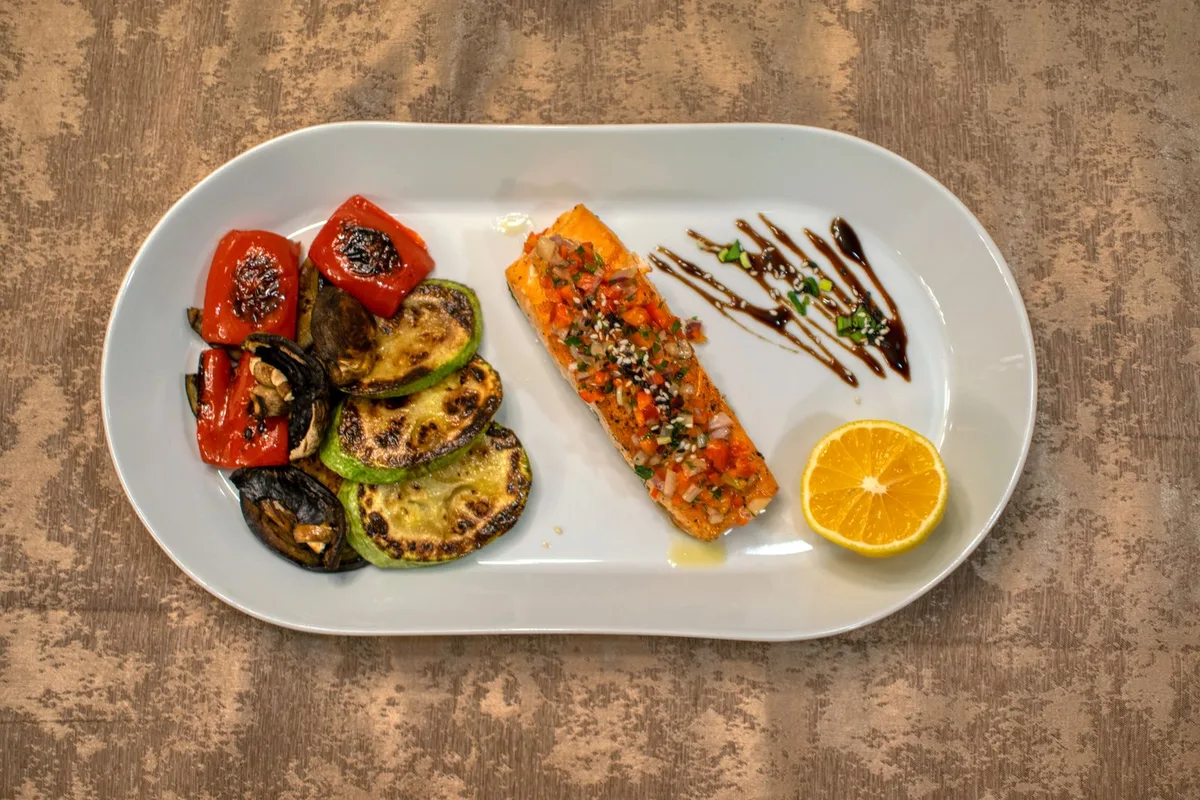
- Vegetables that grow above the ground. Greens, tomatoes, zucchini, olives and avocado. Berries are fine.
- Fat until you are full. Butter, full-fat dairy and real olive oil. Industrial seed oils are out in this clinic.
Leave out bread, pasta, rice, cereal, potatoes, sugary fruit and added sugar. The guideline says counting calories is not usually needed. Protein and fat fill you up, so hunger stops running the day.
Weeks two to four: what does your doctor watch?
By week two, most people feel steadier. This is when the medicine list gets a second look. The guideline says to review blood pressure drugs at the start and then every two to four weeks, using your home readings. Water pills and drugs that change potassium need closer checks.
Pain medicines get that same look. The guideline names NSAIDs, opioid pain medicines and several antidepressants among the drugs that can make low sodium worse. In the first weeks, low sodium feels like the dizziness and fog you might blame on the diet. Your doctor decides whether a dose or your salt target needs to change.
Some common drugs push the other way. The guideline names corticosteroids, statins and beta blockers among drugs that may raise blood sugar or slow ketosis. That does not mean you stop them. It means your doctor reads your progress with those drugs in mind.
One more line matters for this clinic. The guideline says joint pain and migraine may improve as metabolic health improves, so their medicines may need review. When pain eases, the plan changes with it.
Food is only part of the work. Sleep and movement change insulin too, which is why they sit in the treatment plan. See sleep, movement and behavior for how we build them in.
Who should not start low-carb alone?
The guideline flags several groups for a doctor’s plan. People with kidney disease keep protein near 0.8 grams per kilogram a day. People with gout can flare early, and uric acid settles in two to eight weeks. People with gallbladder disease need a slower start. Pregnancy, eating disorders, heart rhythm problems and long medicine lists all need close supervision.
What kind of document is this? It is expert consensus. In the final round, 26 of 28 people voted. All 18 statements passed a 70% bar, and 15 were unanimous. It rests on a review the authors call non-systematic, with no formal grading of evidence. Read it as a careful playbook, not as a trial result.
What does waiting cost you?
Every month on high insulin is another month of fuel for the same pain. Injections can quiet a nerve. They cannot lower your insulin. You can.
Start with three moves this week. Buy a home blood pressure cuff. Write down every medicine you take, with doses. Then book a visit, so your doctor adjusts those medicines before you change a single meal. The first month goes smoothly when it is planned.
Common questions
Is low-carb the same as keto?
Not quite. The guideline treats low-carb as a range. Under 130 grams of carbs a day is low-carb, and ketosis usually starts under 50 grams. Diet ketosis is a normal state. A mild form happens after every overnight fast. It is not diabetic ketoacidosis.
Will low-carb raise my cholesterol?
LDL can rise for a while during weight loss and often comes back down. HDL usually rises and triglycerides fall. The guideline’s authors say some uncertainty remains until outcome studies are done, so we track it with you.
Is a low-carb diet expensive?
The guideline says a whole-food low-carb diet costs about the same as a standard diet. Eggs, ground beef, canned fish, frozen greens and butter are cheap protein and fat.
The eating protocol we teach at every physiotherapy visit is laid out step by step on our diet and metabolic health coaching page.
Plan the first month with the doctor who adjusts your medicines
Bring your medicine list and your home readings. We set the doses first, then the food.
4479 Woodson Rd, Suite 401
St. Louis, MO 63134
Next to St. Louis Lambert International Airport, off I-70 at Woodson Road.
Sources
- Rice SM, Buchanan LA, Calkins MW, Cucuzzella MT, Cywes R, Devine PL, Kalamian M, Kalayjian T, Reynolds DB, Westman EC. A Delphi consensus-based guideline for the implementation of therapeutic carbohydrate reduction in metabolic disorders. Journal of Metabolic Health, 2026;9(1):a152. doi:10.4102/jmh.v9i1.152