Interventional pain management · St. Louis
Pain management treats the pain you have. Interventional pain management tries to find out why, first.
Interventional pain management adds image-guided diagnostic procedures to the toolkit. They test which part of your body is making the pain before we decide how to treat it. The other way manages symptoms while the source stays a guess. People use the two terms as if they mean the same thing. The difference matters more than the overlap suggests.
What is the difference between pain management and interventional pain management?
General pain management usually means medicine, physical therapy referrals, and keeping your care in sync. It is a useful model for many patients. It is built around managing symptoms over time. Interventional pain management is a separate specialty laid on top of that. These doctors train in image-guided procedures that both find and treat the part that is making the pain. A recent review of chronic pain’s burden and best practices describes this exact shift in the field. It moves away from treating pain as one vague symptom. It moves toward finding specific sources we can treat, wherever that is possible. That is the core idea of interventional care: pain is a signal, and a signal has a source worth finding.
What does interventional pain management add?
Diagnostic blocks. A small, aimed dose of local anesthetic placed at one nerve or joint answers a direct question: is this the source? A yes or no result changes the plan right away. That beats relying on imaging alone. Scans often show changes that have nothing to do with your pain.
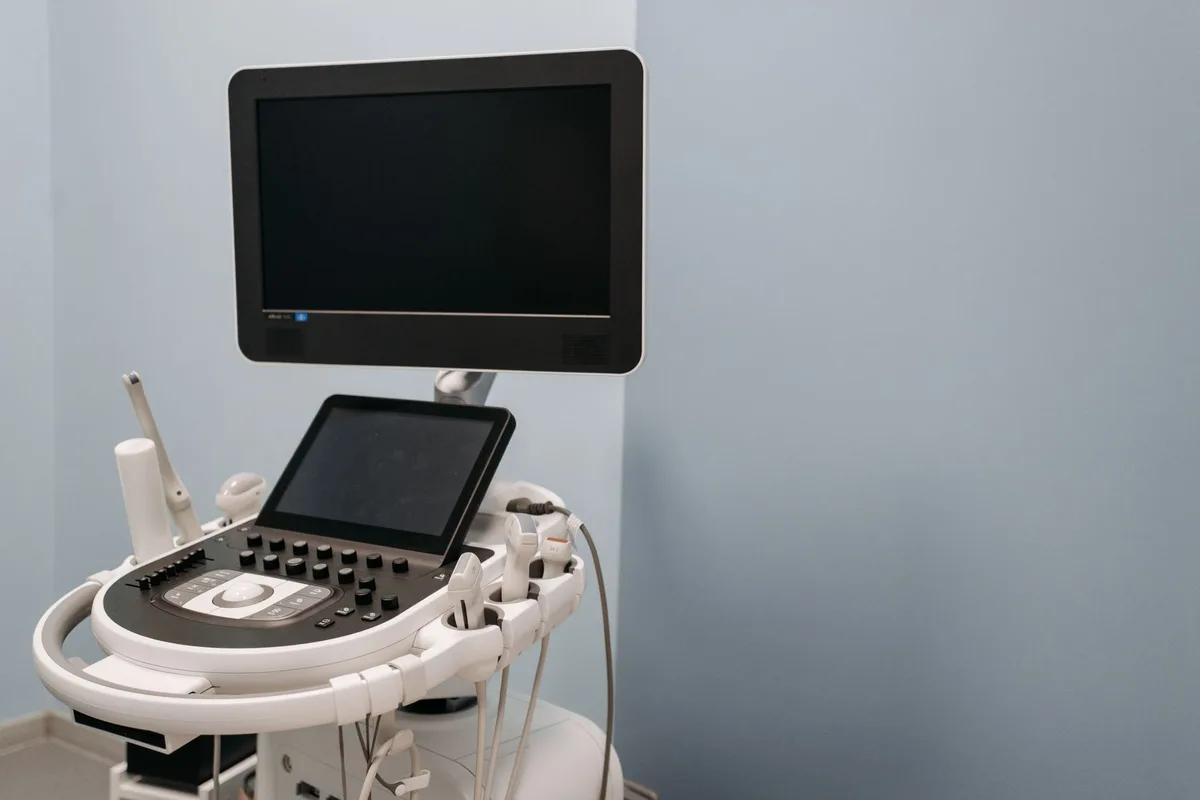
Image guidance. Fluoroscopy (live X-ray) and ultrasound confirm the needle reached its target before anything goes in. Without that check, a shot can miss its mark. Neither you nor the doctor may ever know it happened.
Neuromodulation. Some pain has outlasted what blocks and ablation can offer. For that pain, devices like spinal cord stimulators and peripheral nerve stimulators change how the nerves handle pain signals. Each one is tested in a trial before it is ever placed for good.
Why this practice also treats the terrain
Finding the source is not the same as finishing the job. A confirmed facet joint or nerve root sits inside a body. That body is either helping it heal or working against it. Insulin resistance and systemic metainflammation slow tissue repair. They also make pain signals fire more easily. That is one reason two patients with the same confirmed diagnosis can respond very differently to the same procedure. Poor sleep is the second biological driver. It makes the nervous system more sensitive on its own, no matter what started the pain. Then there is the social piece: a job or home life that will not bend around recovery. That decides whether you actually use the window a procedure buys you. Interventional diagnosis tells us where. Treating pain well also means asking why the terrain let it get this bad. That is why bloodwork, sleep and behavior are part of the same visit here, not a separate referral. See metabolic health and pain.
When is interventional pain management the right choice?
Simple pain that clears up on its own often does fine with conservative care alone. Not every ache needs a diagnostic block. Interventional care earns its place in three cases. The pain has lasted long enough that the source is unclear. Earlier treatment guessed wrong. Or a clear, image-confirmed diagnosis changes what happens next in a way medicine alone cannot. The two are not rivals. Interventional pain management is a sharper tool, used when the job calls for precision.
Common questions
Do I need a referral to see an interventional pain specialist?
Not from this practice. See referral for pain management for when your insurance plan might still require one.
Is interventional pain management the same as anesthesiology?
Related, but not the same. Many interventional pain doctors, including at this practice, trained first in anesthesiology. Then they completed extra fellowship training in pain medicine and interventional methods. The background is on the about page.
Will I still need my primary care doctor for pain medication?
Often both stay involved. This practice handles the interventional and procedure side of your care. We talk with your other doctors instead of replacing them. See what to expect.
Does interventional pain management mean more procedures overall?
Not always. A diagnostic block that comes back negative can rule out a procedure. That is just as useful as a positive one that rules it in. See your first appointment for how the workup starts.
What is a doctor who specializes in pain called?
A pain medicine physician, usually called a pain management doctor; one who diagnoses and treats with image-guided procedures is an interventional pain physician. The base residency varies, and physical medicine and rehabilitation and neurology feed the field too, so the credential worth checking is board certification in pain medicine itself, searchable through the American Board of Medical Specialties. Dr. Padda’s certifications are listed on the About page. Learn more: what a first appointment with one looks like.
Related reading
- Your first appointment
- Referral for pain management
- Spinal cord stimulation
- Metabolic health and pain
We will tell you which kind of care your pain actually calls for
Not every visit ends in a procedure. We will be straightforward about whether interventional care is the right fit for what is happening with you.
4479 Woodson Rd, Suite 401
St. Louis, MO 63134
Next to St. Louis Lambert International Airport, off I-70 at Woodson Road.
Sources
- Cohen SP et al. Chronic pain: an update on burden, best practices, and new advances. The Lancet, 2021. PubMed 34062143
- Cohen SP et al. Consensus practice guidelines on interventions for lumbar facet joint pain from a multispecialty, international working group. Regional Anesthesia & Pain Medicine, 2020. PubMed 32245841